• Vegetable Ivory

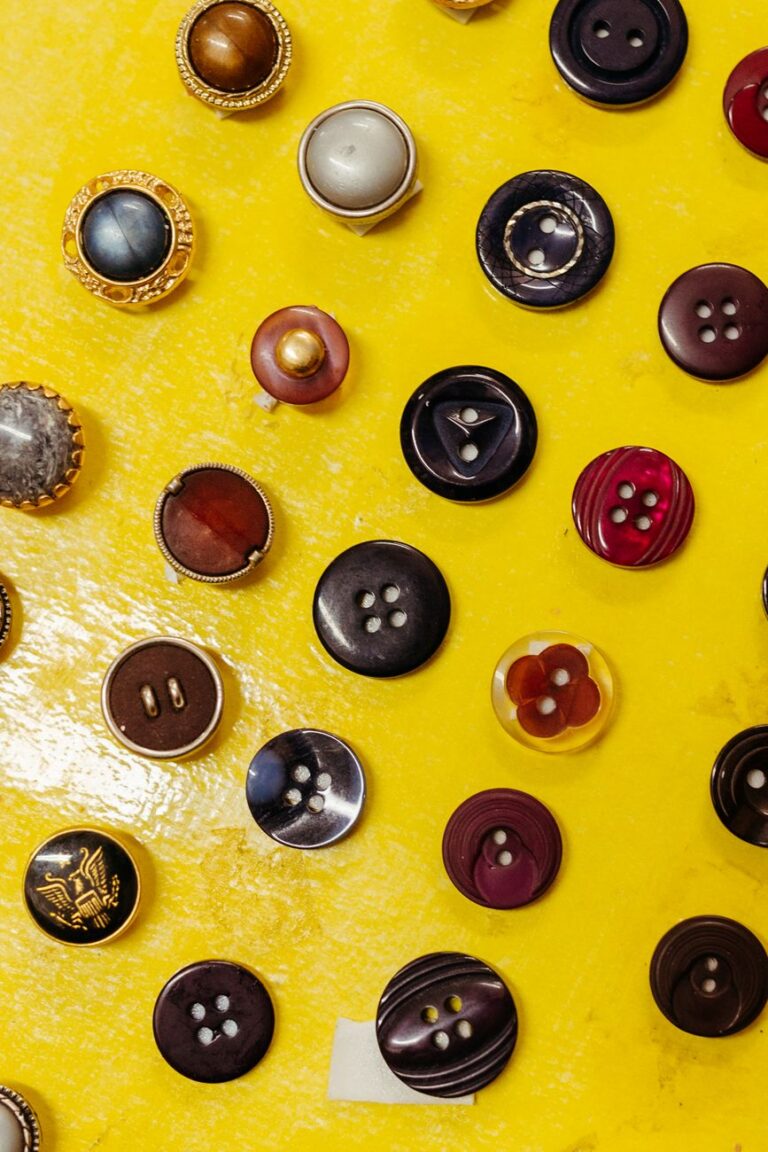
    In the forests of coastal Ecuador, a palm lets its fruit fall when it’s ready. Inside, each seed holds a milky liquid you could drink. Dried slowly under the sun, it hardens into something close to ivory. Once, a fifth of America’s buttons came from it. Then almost everyone forgot.

  • Year Five

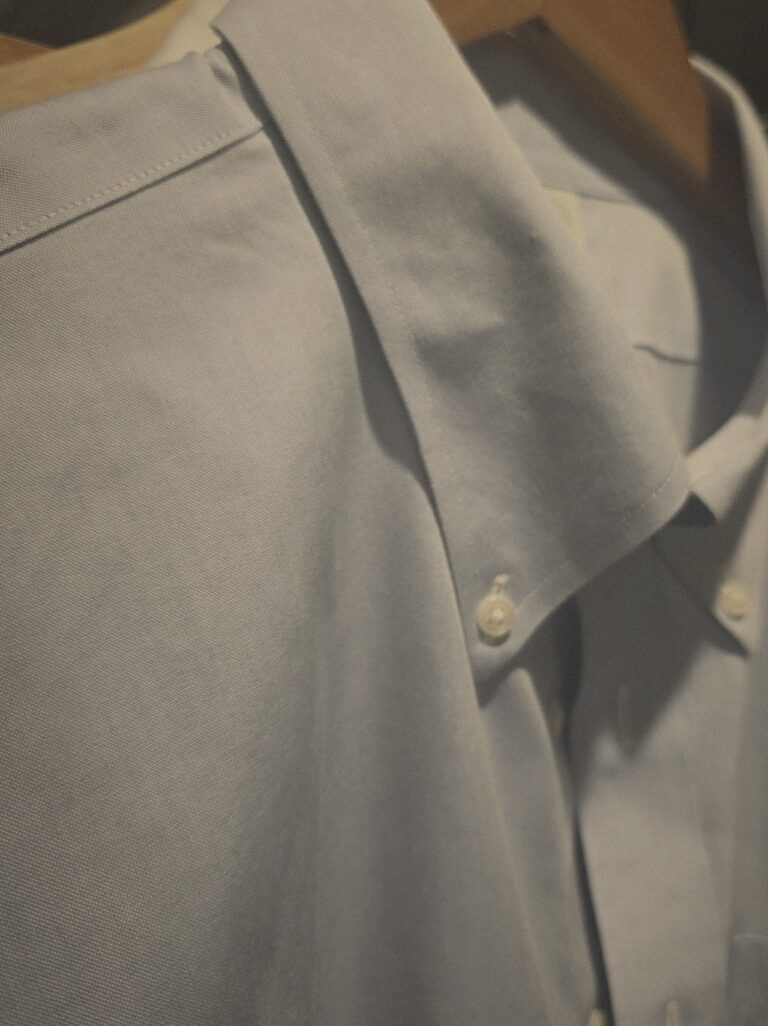
    Hanging up an old oxford shirt, the collar soft, the points frayed, it’s clear why it’s the favourite: it’s the oldest. Some clothes are built to peak on day one. A few get better every year. Most women have never been offered the second kind. Imagine if she were.

  • Chosen Twice

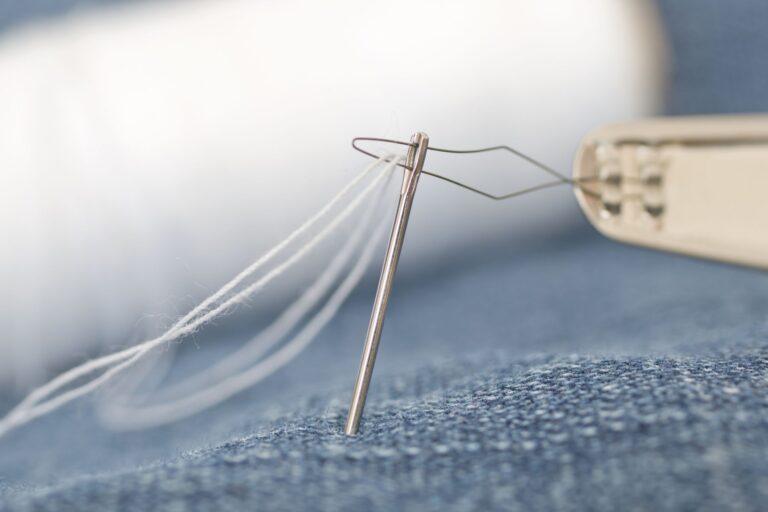
    A hole the size of a grain of rice, just below the lapel. In most places, that’s where a jacket’s story ends. In Japan, a mender takes threads from the garment’s own hidden hem and weaves them back until the hole is gone. A bespoke suit begins a garment’s story. Kaketsugi makes sure it continues.

  • Left in the Field

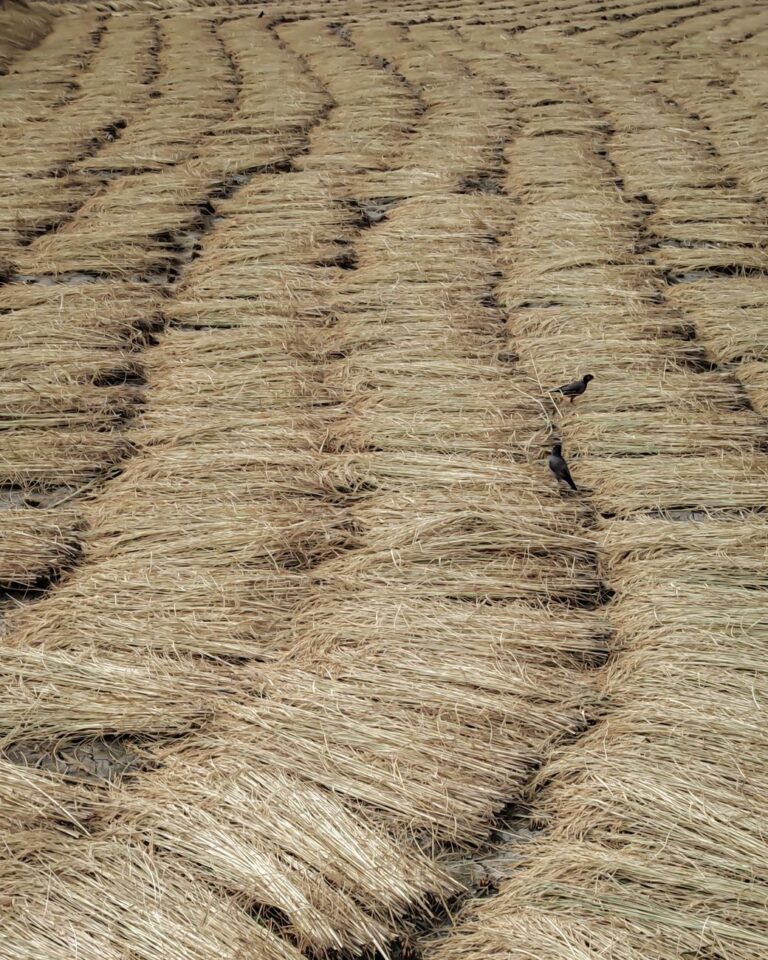
    A wrong turn out of Rouen led past a field that looked abandoned: long rows of straw lying flat, unbaled, left to the weather. A man walked the rows, bending stems between his fingers. He wasn’t neglecting the crop. He was waiting for it. This is where linen begins.

  • That Second

    There is a moment — two seconds, maybe three, sometimes five if it’s a particularly good morning — when you stop. When something in you goes quiet and still and you look at yourself, in the mirror or just in the feeling of the thing on your body, and something registers. Not loudly. Not dramatically. Just — yes. That. And then you leave the house. We do not talk about this moment. It exists in the same category as other small private pleasures that feel too personal to mention. But that pause is worth naming. Because it is not nothing. It is, in its quiet way, everything the act of getting dressed is actually for.
  • The House Always Wins

    There is a shirt in a bag somewhere in your home. Maybe it is still in its original packaging, tissue paper refolded with the specific care of someone who has not yet decided whether to keep it. Maybe it is hanging in that particular section of your wardrobe — not quite the worn regularly section, not quite the never again section, but the somewhere in between section where things go when they almost worked. The shirt is not bad. The shirt is simply not your shirt. It was someone’s shirt — the hypothetical median person whose measurements informed the pattern, whose proportions the factory was optimizing for when it cut the fabric. You and that person are adjacent. Close enough that the size seemed right. Not close enough, as it turned out, for the shoulder seam.